
Introduction
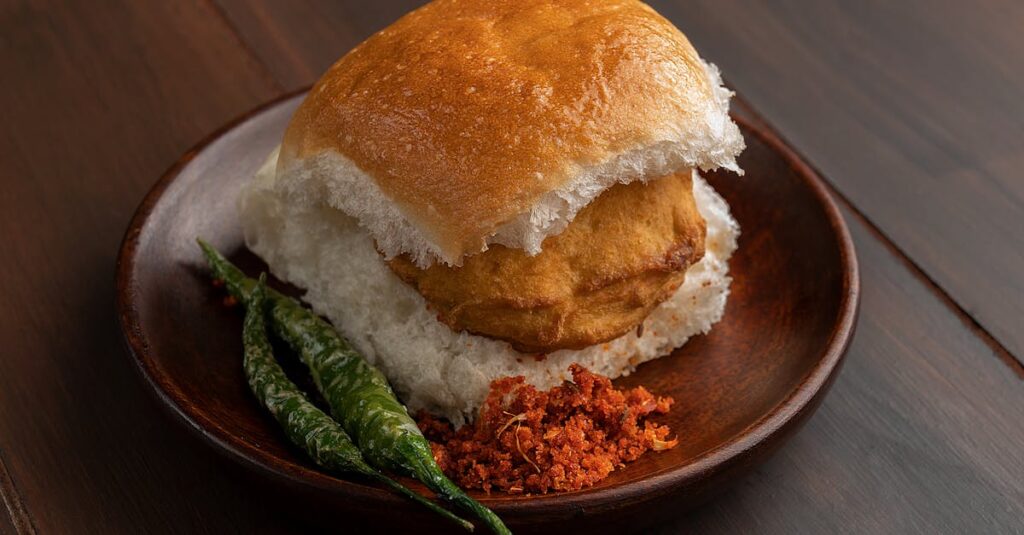
When you think of Mumbai, the first thing that likely pops into your mind is its bustling streets, lively markets, and of course, the mouthwatering street food. From vada pav to pav bhaji, bhel puri to chaat, these iconic snacks are as much a part of the city as its towering skyscrapers and traffic jams. But have you noticed something interesting in the past few years? Mumbai’s street food scene is evolving. It’s not just about the traditional flavors anymore—modern twists and fusion innovations are creeping in, making the city’s food culture even more dynamic.
The Rise of Fusion Street Food
If you’ve been walking through the busy lanes of Andheri or Colaba lately, you might have noticed something a little different. Street vendors are now offering a mix of classic Mumbai street food with global influences. Take the ‘Sushi Vada Pav,’ for example. Yes, you read that right. A crispy vada pav, stuffed with a sushi roll! The combination of crunchy, spicy vada pav and delicate sushi flavors creates a unique culinary experience that could only be found in a city like Mumbai, where the old and new often collide in the most unexpected ways.
Another favorite fusion snack is ‘Cheese Pav Bhaji.’ While pav bhaji is a beloved Mumbai street food in its own right, the cheese pav bhaji adds a creamy twist to the already rich, spicy dish. In fact, cheese has become somewhat of a trend in Mumbai’s street food offerings, appearing in everything from pav bhaji to grilled sandwiches, and even dosa fillings. Street food vendors are experimenting with diverse ingredients and textures, offering customers a delightful, modern take on age-old classics.
The Impact of Globalization
Globalization has changed the way we think about food. What was once only available in high-end restaurants or exclusive eateries is now finding its way onto Mumbai’s streets. In an age where Instagram influencers and food bloggers are the new food critics, vendors know they need to be creative and unique to catch attention. This shift is a reflection of a broader trend where food is no longer just about sustenance—it’s also about experience and novelty.
Take the ‘Tacos’ for example. While tacos are typically associated with Mexican cuisine, street food vendors in Mumbai have embraced them, offering everything from spicy paneer tacos to keema tacos. The blend of local flavors with global formats like tacos, sushi, and even Italian pizza shows how Mumbai is transforming its street food scene in response to its cosmopolitan identity. Street food has always been a reflection of the city’s diverse culture, and now it’s becoming more global.
Health-Conscious Mumbai: A New Trend?
In recent years, the demand for healthier street food options has been on the rise. With more people in Mumbai becoming conscious of their eating habits, the classic deep-fried snacks that once ruled the streets are now being replaced with healthier alternatives. Many vendors are swapping out refined flour for whole wheat or multigrain, offering low-oil options and even experimenting with gluten-free varieties. The humble dahi puri, a crowd favorite, is now being served with fresh, organic yogurt instead of the usual creamy curd, giving the dish a refreshing twist.
Moreover, health-conscious variations of chaat are gaining popularity. One such innovation is the ‘Kale Chaat,’ where the traditional ingredients like puris and sev are replaced with healthy greens like kale and quinoa. While this may not have the same indulgent taste as the classic version, it caters to a new audience that wants to enjoy street food without compromising on their fitness goals. The health trend isn’t just about making food lighter; it’s about keeping the essence of the dish intact while finding a balance between indulgence and wellness.
Technology and Street Food: A Surprising Pair
If you thought street food and technology don’t mix, think again. In the era of food delivery apps like Swiggy and Zomato, even Mumbai’s street food is now just a click away. Vendors are adapting by setting up online platforms where customers can order their favorite chaats, vada pavs, or misal pav right from the comfort of their homes. Some vendors even have QR codes on their stalls, allowing customers to place orders digitally while they stand in line, avoiding the chaos of cash payments or waiting for the vendor’s attention. Street food is evolving to meet the demands of the digital age, blending convenience with nostalgia.
Classic Street Food Still Holds Its Charm
While all these new trends are exciting, there’s something to be said about the enduring appeal of traditional street food. No matter how much the street food scene changes, the classics—like vada pav, pav bhaji, bhel puri, and dosas—will never go out of style. Mumbai locals still flock to their favorite stalls for a quick snack, often accompanied by friendly banter and the smell of sizzling oil filling the air.
Take a walk through the lanes of Girgaon Chowpatty or Juhu Beach, and you’ll still find families gathered around stalls, happily munching on crispy bhel puri or enjoying a hot plate of pav bhaji. Even with all the fusion and innovation, there’s something special about the authenticity of the original recipes. These snacks have stood the test of time for a reason: they are simple, flavorful, and steeped in the city’s history.
Street Food Culture: The Heartbeat of Mumbai
Street food has always been a mirror of Mumbai’s culture. It’s quick, affordable, and diverse—just like the city itself. Whether you’re a Mumbaikar born and raised or a visitor looking to experience the city’s essence, the street food here offers an undeniable connection to the local way of life. As the food scene continues to evolve, it’s crucial to remember that the spirit of street food isn’t about fancy ingredients or high-tech innovations; it’s about accessibility, creativity, and the shared experience of enjoying a meal in the company of others.
Conclusion: What Does the Future Hold for Mumbai’s Street Food?
The future of Mumbai’s street food scene is an exciting blend of tradition and innovation. As local vendors experiment with new flavors, ingredients, and delivery options, the city’s culinary landscape will only continue to diversify. However, amidst all these changes, one thing will remain constant: street food will always be an essential part of Mumbai’s heartbeat. For those who want to experience the true essence of the city, there’s no better place than its vibrant, ever-changing street food scene. So, the next time you’re in Mumbai, whether you’re reaching for that comforting plate of pav bhaji or trying something new, remember that street food is more than just food—it’s a way of connecting with the city and its people.