
Introduction
Let’s be honest: life moves fast. Between work, family, social events, and everything else, finding time to cook can feel like an impossible task. And when you’re trying to stick to a plant-based diet, it can seem like a whole new level of difficulty. But don’t worry, eating plant-based doesn’t have to mean spending hours in the kitchen every day. In fact, with a few smart hacks, you can enjoy nutritious, delicious meals without the stress.
Here are some time-saving tips and tricks that will help you stay on track with your plant-based lifestyle, even when your schedule is packed.
1. Embrace the Power of Meal Prep
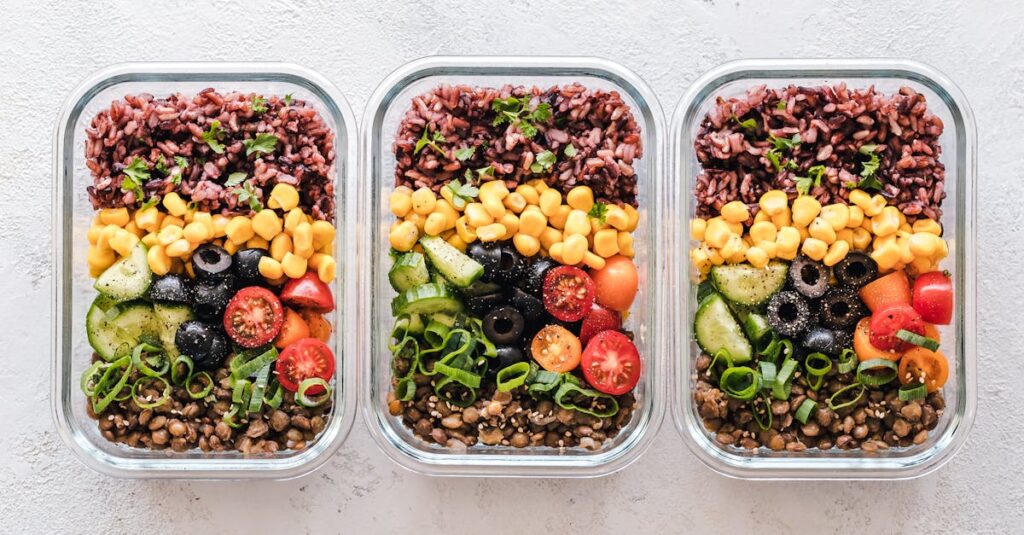
Meal prepping is like a secret weapon for busy people, and it’s especially helpful for plant-based eaters. Taking a few hours once a week to prep your meals can save you a ton of time later in the week. Think about it: rather than scrambling to throw together dinner each night, you’ll already have everything ready to go.
Start by washing and chopping veggies, cooking grains like quinoa or rice, and even prepping plant-based proteins like tofu, tempeh, or legumes. Store everything in airtight containers, and you’ve got your bases covered for the week. You can then mix and match these ingredients to create a variety of meals, like Buddha bowls, wraps, or stir-fries.
One of my personal favorites is a giant batch of roasted sweet potatoes, chickpeas, and broccoli. I’ll roast everything at once and store it in the fridge. Then, during the week, I can toss it into salads, wraps, or bowls with different dressings and seasonings for variety. It’s simple but makes a world of difference.
2. Master the One-Pot Wonders
If you’re short on time and energy, a one-pot meal can be your best friend. Think stews, soups, and curries that you can throw together in less than 30 minutes. The beauty of these meals is that you can throw all your ingredients into one pot, let it simmer, and go do something else (like catch up on that Netflix show you’ve been meaning to watch).
For example, try making a big pot of lentil soup or a chickpea curry. You can even toss in any leftover veggies from your meal prep, and the dish will taste even better the next day. Plus, you can stretch it across multiple meals, talk about a time-saver!
Here’s a quick recipe for a one-pot lentil stew:
- 1 cup dried lentils
- 1 onion, chopped
- 2 carrots, sliced
- 2 celery stalks, chopped
- 4 cups vegetable broth
- 1 can diced tomatoes
- 1 tsp cumin, 1 tsp turmeric, 1 tsp smoked paprika
- Salt and pepper to taste
Simply sauté the onion, carrots, and celery in a pot until softened, then add the remaining ingredients. Let it simmer for about 25 minutes, and you’ve got yourself a filling, comforting meal. You can add leafy greens like spinach at the end for extra nutrients.
3. Use Convenient (and Healthy) Shortcuts
Let’s be real: not every day is going to allow for full-on meal prep or cooking from scratch. But that doesn’t mean you’re stuck with bland takeout or unhealthy frozen meals. There are plenty of shortcuts you can take that will still keep your meals plant-based and nourishing.
For example, canned beans and lentils are a total game-changer. They’re packed with protein and fiber, and you can just pop the lid and rinse them off to toss into salads, wraps, or soups. Pre-cut veggies are another lifesaver. Sure, they might cost a bit more, but when you’re saving yourself the hassle of chopping everything, they’re totally worth it.
Frozen vegetables are also a fantastic option. I always keep a bag of frozen mixed veggies in my freezer for stir-fries, curries, and bowls. Frozen produce is picked at its peak freshness, so you’re still getting a lot of nutrients, plus, they’re already chopped and ready to go!
4. Stock Up on Quick-Cooking Grains
If you’ve ever tried to cook brown rice or quinoa from scratch when you’re in a rush, you know it can feel like an eternity. The solution? Quick-cooking grains. These options can save you a ton of time without sacrificing taste or nutrition.
For example, couscous cooks in just 5 minutes, and bulgur wheat takes about 10. These grains can be the base for so many meals and pair beautifully with roasted veggies, legumes, and dressing. They’re also excellent for making grain bowls or adding to soups for some extra texture.
If you want something even quicker, instant oats are perfect for a hearty breakfast that takes 5 minutes or less. Add some fruit, nuts, and seeds, and you’ve got a filling, plant-based meal to start your day.
5. Keep It Simple with Quick Sauces and Dressings
A good sauce can turn a simple meal into something special. And the best part? Most plant-based sauces and dressings are quick to make and can elevate your meals without much effort.
For example, a tahini dressing (just tahini, lemon juice, garlic, and water) is incredibly versatile. You can drizzle it over grain bowls, salads, roasted veggies, or even roasted sweet potatoes. Similarly, a simple soy sauce and sesame oil dressing can take stir-fries to the next level in minutes.
Another go-to in my kitchen is a quick avocado sauce. Blend up an avocado with some lime, garlic, and cilantro, and you’ve got a creamy sauce that can be used on everything from tacos to salads to grain bowls.
Conclusion: Small Changes, Big Impact
Eating plant-based doesn’t have to be a time-consuming or stressful experience. By incorporating a few key hacks, meal prepping, mastering one-pot meals, using shortcuts, and focusing on quick-cooking grains and simple sauces, you’ll be able to enjoy delicious, nutritious meals without the hassle. The goal is to make plant-based cooking work for you, not the other way around.
So, the next time you’re staring at your calendar wondering how you’ll possibly fit in a healthy meal, remember that even small changes can make a big impact. With these tips, you’ll have more time to enjoy your meals, rather than stressing over them.
And hey, if you ever find yourself running late, there’s always the option of a quick smoothie bowl or a hearty sandwich to keep you going.