
Introduction
Let’s be real: we’ve all received our electric bill and thought, ‘How did I use THAT much energy?’ It’s a common frustration, especially as energy costs keep climbing. But what if there was a way to curb that and make your home more efficient, without sacrificing comfort? Enter smart tech, a game changer that can save energy and money in ways we never imagined a decade ago. If you’re looking to lower your bills while being a bit kinder to the planet, keep reading. These smart solutions might just be the answer.
Smart Thermostats: The Brain Behind Your Home’s Comfort
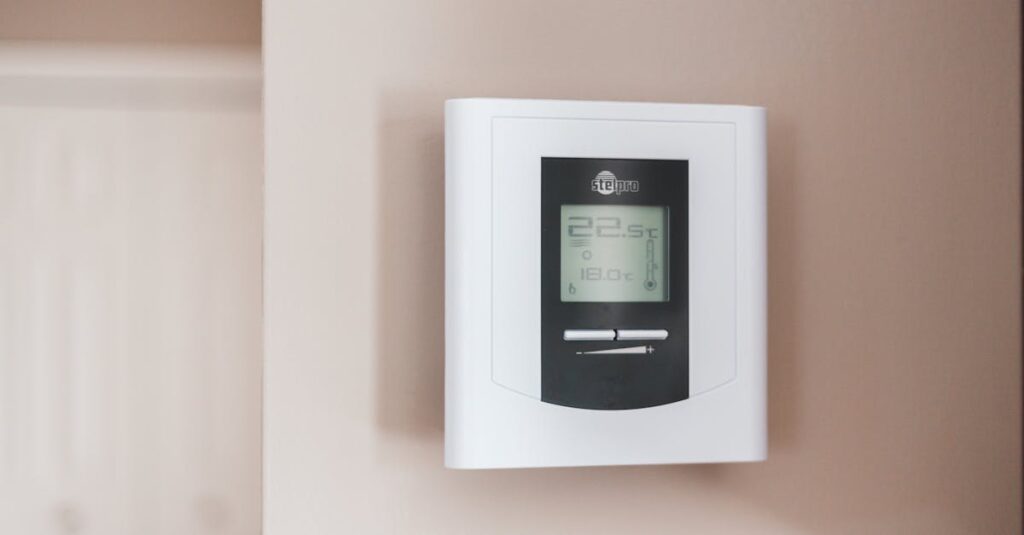
Remember the days when you had to manually adjust your thermostat every time the temperature changed? If you were away on vacation or just at work, your HVAC system was likely running constantly, wasting energy and money. Smart thermostats, like the Nest Learning Thermostat or the Ecobee SmartThermostat, have completely transformed this scenario.
These devices learn your habits and adjust the temperature automatically based on when you’re home or away. For example, your thermostat might notice that you leave for work at 8 AM every weekday. It’ll adjust the temperature accordingly so that you’re not heating or cooling an empty house. Even better, you can control them from your smartphone, which means you can tweak the settings on the go. Forgetting to turn off the AC on your way out? No problem, just adjust it remotely.
Real-Life Example:
A friend of mine installed a smart thermostat last year and immediately saw a reduction in her energy bill. By programming it to lower the temperature at night and warm up the house just before she gets up, she saved 15-20% each month. And those savings? They add up!
Smart Lighting: Light Up Your Life, Without the Guilt
We’ve all walked out of a room and left the lights on, only to realize later we forgot to flip the switch. Smart lighting systems, like Philips Hue or LIFX bulbs, take away that headache, and the waste of energy that comes with it.
These lights can be controlled from your smartphone or voice assistant (like Alexa or Google Assistant). Set up a routine, and your lights can automatically turn off when you leave or when it’s time for bed. Plus, with dimming options, you can set the exact amount of light you need instead of over-illuminating a room. And don’t forget about smart lighting that changes based on the time of day to create a more natural and energy-efficient ambiance.
Real-Life Example:
One of my neighbors installed smart bulbs throughout their house, setting the lights to dim during movie nights and automatically turn off after a certain time. Not only did they reduce their energy usage, but the convenience was a win too. No more scrambling to turn everything off at the end of the day.
Smart Plugs: Power Control at Your Fingertips
Even with the best intentions, we’ve all left appliances plugged in, drawing power while not in use. Smart plugs solve this problem easily by giving you control over what’s plugged into them, right from your phone or smart assistant. Plug in devices like coffee makers, TVs, or lamps, and control them from anywhere.
Brands like TP-Link Kasa and Wemo Mini make it simple to cut off power when you’re done using a device, ensuring it doesn’t sit idle and draw unnecessary energy. You can schedule when certain appliances turn on or off, which means you can even pre-heat your oven or start the coffee maker without having to be home.
Real-Life Example:
A colleague of mine loves using a smart plug for her electric fan. During the summer months, she sets the fan to turn off after an hour, so it doesn’t run all night. She also uses smart plugs for lamps, which she can turn on remotely when she’s driving home, so the house is well-lit by the time she arrives. It’s small, but over time, it makes a difference.
Smart Appliances: Efficiency Meets Innovation
When it comes to reducing energy consumption, it’s hard to overlook smart appliances. From refrigerators to washing machines, these devices have been designed with efficiency in mind.
For example, modern smart refrigerators like those from Samsung or LG not only keep your food fresh but also help track energy consumption and notify you when maintenance is required. Smart washing machines, such as the Whirlpool Smart Washer, allow you to run cycles when energy demand is lower, reducing both your bills and your carbon footprint.
Another notable addition? Dishwashers that optimize water usage and energy based on load size. So, rather than using the same amount of energy for a half-full load, these dishwashers adjust automatically.
Real-Life Example:
My aunt swapped out her old washing machine for a smart one that connects to her phone. She can now monitor the progress of laundry loads and set it to run during off-peak energy hours, saving money. Plus, the machine uses just the right amount of water and energy, making her eco-conscious and efficient.
Smart Home Energy Monitors: Know Where Your Energy Goes
Sometimes, the hardest part about saving energy is knowing exactly where you’re wasting it. Smart home energy monitors, like the Sense Energy Monitor or Neurio, give you a detailed breakdown of how and where your energy is being used, room by room or appliance by appliance.
By tracking your energy consumption, these devices help you identify energy hogs that you might have missed otherwise. You can also set goals for energy use and get real-time feedback on how to reduce your consumption. The app can notify you if a device is using more energy than expected, giving you the power to take action before you see the impact on your bill.
Real-Life Example:
A family friend installed an energy monitor in their home, and it quickly identified that their water heater was using far more energy than it should. They adjusted the settings and saw a noticeable dip in their monthly bill.
Conclusion: A Smarter Way to Live
Smart technology isn’t just a luxury anymore; it’s a way to make your home more efficient, save money, and contribute to a more sustainable future. Whether you’re adjusting the temperature, controlling lights, or even tracking your energy consumption, these innovations make it easier than ever to lower your carbon footprint without compromising on comfort. In the end, the real savings come from the cumulative effect of small changes, something as simple as turning off a light or adjusting your thermostat can make a big difference over time. So, why not take the leap into smart tech? Your future self, and your wallet, will thank you.