
Introduction
Stress and anxiety seem to be unavoidable parts of modern life. Whether it’s a looming deadline, a busy commute, or just the constant barrage of news, many of us find ourselves struggling with mental health. But what if the answer to this constant mental clutter was right in front of us, immersed in a world of virtual reality? VR therapy apps have started to gain popularity as an innovative way to manage stress and anxiety. But how do they work, and can they really make a difference?
Let’s take a closer look at VR therapy apps for stress and anxiety relief and explore how they might be the calming escape we never knew we needed.
The Rise of Virtual Reality Therapy
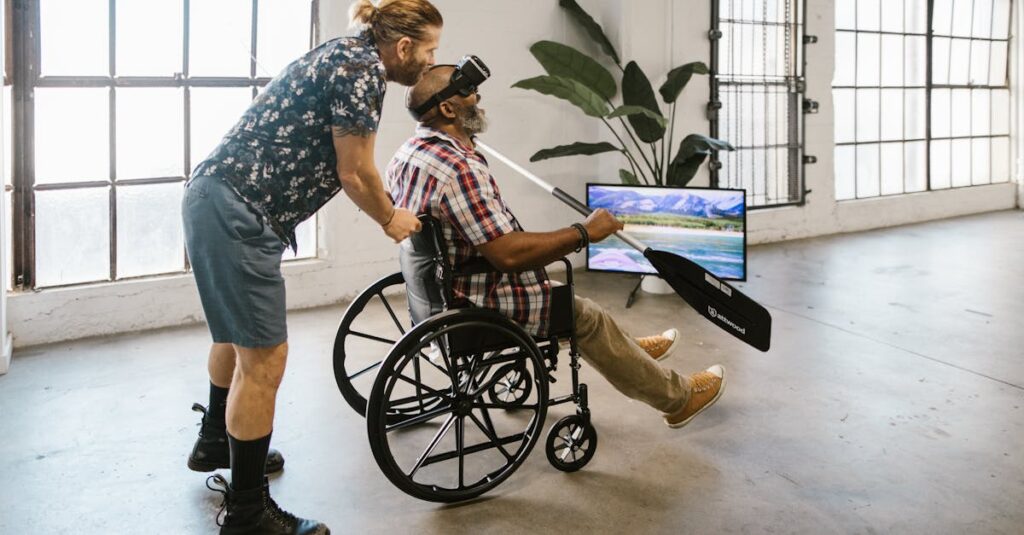
The idea of using virtual reality (VR) for therapeutic purposes isn’t entirely new, but it’s only in recent years that technology has made it both accessible and effective for everyday users. In simple terms, VR therapy apps offer guided mental health exercises or meditations that take place in simulated, calming environments. These environments can be anything from serene beaches to peaceful forests or even guided breathing exercises in a floating space station.
The beauty of VR therapy apps is their ability to transport you out of your current stressors into a peaceful, interactive space. You get to fully immerse yourself in a world where distractions fade, and the present moment becomes all that matters. In doing so, VR apps provide a mental escape that traditional therapies often struggle to offer.
How VR Therapy Apps Help with Stress
Stress often feels like a mental traffic jam, too many thoughts, feelings, and worries jumbled together, making it hard to concentrate or even breathe. VR therapy apps help by allowing users to “step away” from their stressors. One of the most powerful features of VR is its ability to offer guided meditations or relaxation exercises while enveloping you in a virtual world that blocks out the noise of reality.
Imagine yourself seated on a soft beach, the gentle sounds of waves crashing around you, and a calm voice guiding you through deep breathing exercises. In this environment, you’re far removed from work emails, family concerns, or the general hustle and bustle of life. This complete immersion helps signal to your brain that it’s time to relax, lowering cortisol levels and promoting a sense of calm.
VR Therapy Apps for Anxiety Relief
Anxiety can feel like a cloud that follows you everywhere, often with no clear way to break free from it. For some people, medication and traditional talk therapy are crucial parts of the recovery process. However, for others, integrating technology like VR therapy apps offers a new, engaging, and accessible approach to managing anxiety.
Many VR therapy apps offer cognitive behavioral therapy (CBT)-inspired techniques, where users are exposed to virtual scenarios that trigger their anxiety, such as public speaking or meeting new people, and are guided through calming exercises to manage their reactions. For instance, if you struggle with social anxiety, a VR app may simulate a party or gathering where you’re gradually introduced to interactions. The app can then walk you through grounding exercises to manage your anxiety in real-time.
This method, known as exposure therapy, is one of the most effective ways to manage anxiety. VR’s immersive nature allows individuals to confront their fears in a controlled, safe space, with the guidance and support of therapeutic techniques.
Popular VR Therapy Apps for Stress and Anxiety
Several VR apps are gaining attention for their ability to help users cope with stress and anxiety. Here are some of the most popular options:
- TRIPP – TRIPP offers a series of VR experiences designed to reduce anxiety and improve mental well-being. The app combines mindfulness exercises with calming virtual environments, such as a peaceful forest or an open field under a starry sky. The experiences focus on breathing exercises, guided meditation, and visualization techniques that have been shown to reduce stress.
- Calm Place VR – Calm Place VR allows users to visit a variety of serene locations, such as a beach, forest, or mountaintop, where they can engage in deep-breathing and mindfulness exercises. With soothing sounds and stunning visuals, the app helps users disconnect from their environment and focus on inner peace.
- RelieVR – Specifically targeting individuals with anxiety disorders, RelieVR uses immersive VR exposure therapy to help users confront their fears. For example, users can gradually face situations that trigger anxiety, such as talking to strangers or performing in front of others. The app includes support from licensed therapists and allows for real-time feedback during each session.
The Science Behind VR Therapy
So, what makes VR therapy so effective? The success of VR apps lies in the concept of “immersion” , a technique in which users are fully engrossed in a virtual experience that feels real, triggering the brain’s relaxation responses. This kind of immersion, combined with therapeutic exercises like mindfulness, deep breathing, and exposure therapy, can help break the cycle of anxious or stressful thinking.
Studies have shown that VR exposure therapy can have lasting benefits. One study from the American Psychological Association found that VR-based exposure therapy could reduce symptoms of PTSD and anxiety disorders, making it a viable tool for long-term anxiety management.
Moreover, VR therapy helps users overcome one of the key barriers to traditional therapy: accessibility. Therapy sessions can be costly, difficult to schedule, or stigmatized in some cultures. VR apps offer a more private, flexible, and less intimidating way to access mental health support, whether at home or on the go.
Why VR Therapy Apps Are a Game-Changer
VR therapy apps are truly a breakthrough because they combine technology with mental health in an approachable, user-friendly format. Here’s why they’re a game-changer:
- Accessibility: VR therapy can be accessed anywhere, anytime, as long as you have the necessary equipment (a VR headset and compatible smartphone). This makes it easy to use on-demand, at home, or even in a quiet corner of a coffee shop.
- Personalization: Many VR therapy apps allow users to customize their sessions based on specific needs, whether it’s managing daily stress, overcoming social anxiety, or dealing with work pressure.
- Affordability: Compared to traditional therapy, VR therapy apps are often much more affordable. While a high-quality VR headset may have an upfront cost, the apps themselves are often available for a reasonable subscription fee.
- Effectiveness: With research backing VR’s impact on mental health, these apps offer scientifically proven techniques to reduce stress and anxiety.
Conclusion: The Future of Stress and Anxiety Relief
In a world that seems increasingly stressful, VR therapy apps offer a promising new way to manage stress and anxiety. Whether you’re a professional seeking ways to de-stress after a long day or someone struggling with deeper anxiety, VR therapy provides a unique combination of immersion, accessibility, and effective therapeutic techniques.
As VR technology continues to evolve, we can only expect these apps to become more sophisticated and tailored to individual needs. If you haven’t tried one yet, it might just be the mental health breakthrough you’ve been looking for.
Takeaway: If you’re looking for a way to escape the noise and find some inner calm, consider trying a VR therapy app. It might just provide the digital detox you need to reclaim your peace of mind. If traditional therapy feels intimidating or inaccessible, VR therapy offers an alternative that puts you in control.