
Introduction: The Struggle for Sleep in a Screen-Obsessed World
We’ve all been there: scrolling through social media late into the night, binge-watching a new show, or working on the laptop, only to find ourselves tossing and turning hours later, unable to fall asleep. If you’re someone who spends a lot of time in front of screens, whether for work, entertainment, or socializing, chances are your sleep is suffering because of it. The blue light emitted by devices disrupts our natural circadian rhythms, making it harder to fall asleep and stay asleep.
But there’s hope. What if a few simple supplements could help you catch some quality Z’s, even in a digital age? Let’s take a closer look at the best sleep-promoting supplements for screen users, and how they might help you reclaim your rest.
Why Screen Time Affects Sleep
The connection between screen time and poor sleep quality isn’t just a myth. The culprit is blue light, which is emitted by devices like smartphones, laptops, and TVs. Blue light interferes with melatonin, the hormone responsible for regulating sleep. When your brain detects blue light, it thinks it’s still daytime, leading to a delay in melatonin production. As a result, your body doesn’t feel the urge to sleep when it should, keeping you awake far longer than you intend.
Beyond blue light, the mental stimulation from screen use can also keep you wide-eyed. Whether it’s an exciting game, an emotional video, or a stressful work email, your mind stays active long after you’ve put your device down. So, while you might want to sleep, your brain is still buzzing with thoughts.
Top Supplements to Boost Sleep for Screen Users
1. Melatonin: The Sleep Hormone You’re Missing
Melatonin is arguably the most well-known supplement when it comes to sleep. This hormone is naturally produced by your body to signal that it’s time for rest. But as mentioned earlier, prolonged screen time disrupts melatonin production, which is why many people turn to supplements.
Melatonin supplements help restore your body’s natural sleep-wake cycle, making it easier to fall asleep at the right time. Taking melatonin about 30 minutes before bed can help you unwind and signal to your brain that it’s time to sleep.
However, melatonin isn’t a one-size-fits-all solution. Some people find it makes them groggy in the morning, while others experience vivid dreams. It’s important to start with a low dose (1-3 mg) and adjust as needed.
2. Magnesium: The Relaxation Mineral
If you’re looking for a natural way to calm both your body and mind before bed, magnesium could be your answer. Magnesium plays a crucial role in regulating your nervous system and can help reduce stress and muscle tension, two common culprits of restless sleep.
Studies show that magnesium supplements improve sleep quality, especially in individuals who suffer from insomnia. It helps activate the parasympathetic nervous system (the system responsible for relaxation), calming your body and preparing it for sleep. Many people also use magnesium to alleviate symptoms of anxiety, which can be exacerbated by excessive screen time.
Magnesium comes in various forms, such as magnesium citrate and magnesium glycinate. For sleep, magnesium glycinate is often recommended, as it’s gentle on the stomach and highly absorbable.
3. L-Theanine: The Secret to Calm Focus
L-Theanine is an amino acid found in tea leaves, particularly in green tea. It’s known for its ability to promote relaxation without causing drowsiness. This makes it ideal for people who have trouble winding down after hours of screen time. L-Theanine works by increasing the production of calming neurotransmitters like GABA, serotonin, and dopamine in the brain.
If you find yourself mentally “on” even after finishing work or playing an intense game, L-Theanine can help soothe your mind, making it easier to transition into sleep. Many people find that L-Theanine helps reduce the restlessness that often comes from prolonged screen exposure. It’s a great supplement to pair with melatonin or magnesium, especially if you struggle with anxiety or mental chatter before bed.
4. Valerian Root: Nature’s Sleep Aid
Valerian root has been used for centuries as a natural remedy for insomnia and anxiety. This herb has sedative properties that help relax the body and promote sleep. While it might not be as popular as melatonin, valerian root is a go-to for many people who have trouble falling asleep after long hours of screen use.
Valerian root works by increasing levels of GABA, the neurotransmitter that helps your brain relax. It’s often recommended for people who suffer from anxiety, stress, or racing thoughts before bed, issues that are common for screen users after a long day. The calming effects of valerian root can help ease your mind and make falling asleep easier.
As with any supplement, valerian root may not work for everyone, and it can take some time to notice its full effects. It’s best to take it 30 minutes to an hour before bed, and you may want to start with a lower dose to see how your body responds.
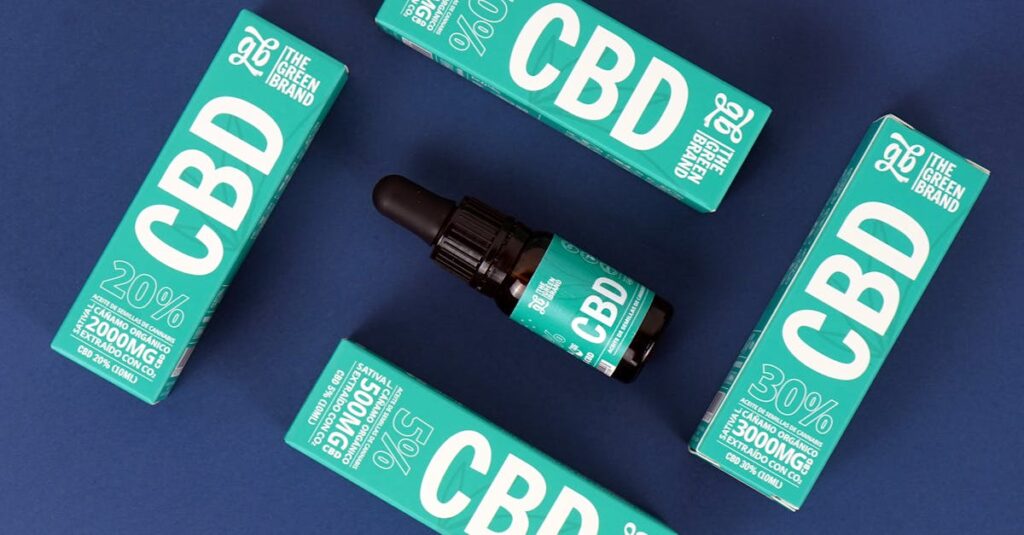
5. CBD Oil: Calm Your Mind, Improve Your Sleep
CBD, or cannabidiol, is a non-psychoactive compound derived from the cannabis plant. Unlike its cousin THC, CBD doesn’t get you high but has calming effects that may help reduce anxiety, stress, and pain. Given the anxiety that can come from excessive screen use, whether it’s work emails or social media pressure, CBD can help soothe your mind and prepare you for sleep.
Research suggests that CBD may be particularly effective in helping people fall asleep faster and experience deeper, more restorative sleep. It’s thought to work by interacting with the body’s endocannabinoid system, which regulates various functions, including sleep. CBD can help reduce the overactive brain activity that often keeps us awake after a long day in front of screens.
As with any supplement, make sure to consult with a healthcare professional before trying CBD, especially if you’re already on medication or have any underlying health conditions.
Other Tips for Improving Sleep While Using Screens
While supplements can help, they aren’t a magic bullet. There are other strategies you can implement to improve your sleep quality as a screen user. Consider these additional tips:
- Limit screen time before bed: Try to stop using devices at least an hour before bed. If that’s not realistic, consider using blue light filters on your devices.
- Practice good sleep hygiene: Keep a consistent bedtime, avoid caffeine late in the day, and create a relaxing bedtime routine.
- Use a night mode feature: Many devices have a built-in “night mode” that reduces blue light exposure after a certain hour. Use this feature to protect your sleep.
Conclusion: Sleep Better, Live Better
If you’re someone who spends a lot of time in front of screens, improving your sleep doesn’t have to be a battle. While cutting down on screen time can be challenging, supplements like melatonin, magnesium, L-theanine, valerian root, and CBD offer practical solutions to help you relax, unwind, and get the restful sleep you need.
Remember that no supplement is a one-size-fits-all solution, so it might take some trial and error to find the right combination for you. And while supplements can help, it’s important to also adopt healthy sleep habits and give your body the opportunity to wind down naturally. After all, good sleep is essential to our well-being, and it’s worth investing in.
So, the next time you’re struggling to fall asleep after hours of screen time, consider reaching for one of these sleep-enhancing supplements. Your body and mind will thank you for it.