
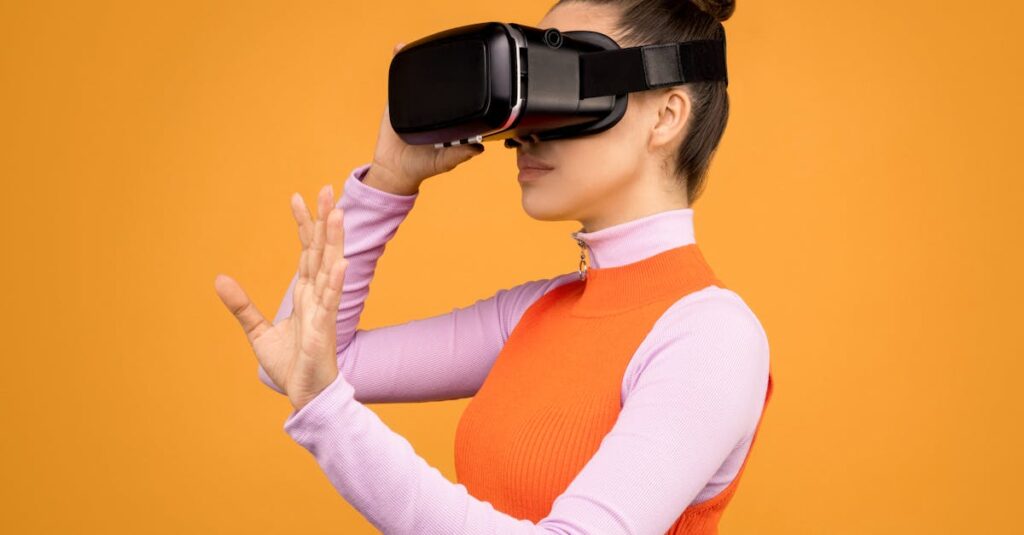
Introduction: Is Virtual Reality the New Way to Travel?
Imagine stepping into the bustling streets of Tokyo, feeling the warmth of the Parisian sun on your face, or hiking through the Swiss Alps, all without leaving the comfort of your home. Welcome to the world of VR tourism. While we often think of virtual reality as something reserved for video games or sci-fi films, it’s increasingly becoming a game-changer in the travel industry. But could this really replace the need for actual travel? Or is it a complementary experience, opening up new possibilities for exploration?
The Rise of Virtual Reality in Tourism
Virtual reality, or VR, has been around for a while, but only recently has it started making waves in the tourism sector. According to a report by Statista, the VR tourism market is expected to reach over $300 billion by 2025. So, what’s fueling this growth? For starters, VR technology has become more affordable and accessible. Headsets like the Oculus Quest and PlayStation VR have become household names, and with that, new opportunities have emerged to immerse people in destinations they might otherwise never experience.
Real-World Examples: How VR Is Transforming Travel
Several tourism companies have already embraced VR to enhance their offerings. Take Thomas Cook, for example. Before its collapse, the travel agency introduced VR headsets in its UK stores, allowing customers to virtually explore hotels and resorts before booking a vacation. In 2018, they even launched a VR “try before you buy” feature, where you could walk through a 360-degree simulation of a destination like Bali. Imagine how many people were able to narrow down their dream vacation without ever leaving the store!
Meanwhile, the National Geographic has been using VR in its exhibitions. With experiences like “Space Explorers,” visitors are treated to a fully immersive journey into space. You may be physically standing in the same place as everyone else, but your mind is soaring above the Earth, marveling at the vastness of the universe. It’s an experience no traditional museum could replicate.
Why VR Tourism Could Be the Future
At first, it might seem strange that people would want to put on a headset to travel. After all, there’s something special about feeling the sand between your toes or savoring a bowl of ramen in Tokyo. But VR tourism has some undeniable advantages that make it a compelling alternative to traditional travel.
- Accessibility: VR makes it possible for anyone to “travel,” no matter their physical, financial, or geographical constraints. Take the elderly or those with limited mobility. For them, exploring the wonders of the world from their living rooms can be life-changing.
- Cost-Effective: For those who can’t afford expensive flights, accommodations, or guided tours, VR offers a more budget-friendly alternative. Imagine visiting the Louvre without purchasing a plane ticket, hotel stay, or paying for entry fees.
- Environmentally Friendly: Virtual travel could drastically reduce carbon footprints by eliminating the need for long-distance flights and car rentals. In an age where sustainable tourism is becoming more critical, VR can provide an eco-conscious solution.
The Limitations of VR Tourism
Of course, VR travel isn’t perfect, and it has some major hurdles to overcome. For one, nothing beats the sensory experience of real travel. The taste of street food in Bangkok, the sound of waves crashing on a secluded beach, or the feel of a cool breeze on a mountain top, these are experiences that VR still can’t replicate.
Another challenge is that VR doesn’t offer the same social interaction as in-person travel. Part of the joy of traveling is meeting new people, learning about different cultures, and creating memories with friends or family. While VR offers a solitary experience, it doesn’t quite capture the magic of human connection.
Could VR Ever Replace Real Travel?
While VR tourism holds tremendous potential, it’s unlikely to ever completely replace the joy and richness of actual travel. Real-world travel is about much more than sightseeing, it’s about discovery, personal growth, and those unexpected moments that can only happen when you step out of your comfort zone.
That said, VR can be a powerful tool to enhance or complement travel. Imagine being able to scout potential vacation spots or explore a destination before making the commitment to go. Maybe you’re on the fence about trekking to Machu Picchu or visiting the Great Wall of China. A VR simulation could help you decide if the trip is right for you, saving time, money, and disappointment.
How VR Can Enhance the Travel Experience
Even if VR doesn’t fully replace traditional travel, it certainly has the potential to improve the way we experience it. VR could serve as a “preview” of a destination or as a way to relive a favorite trip after the fact. Imagine revisiting the streets of Venice, walking along the Seine in Paris, or hiking through Yosemite, all from the comfort of your home.
- Virtual Tours: Museums, historical sites, and even theme parks can offer 360-degree virtual tours that let you experience places as if you were really there. This allows people to access destinations they might never have the chance to see in person.
- Travel Planning: VR could revolutionize how we plan vacations. Why settle for reading a brochure when you can take a virtual walk through your hotel or a nearby landmark before booking your trip?
- Memory Lane: Imagine being able to relive your favorite vacation memories. VR could let you experience a moment from a trip in full 360-degree immersion, making your memories even more vivid.
Conclusion: The Future of Travel Experiences
Virtual reality is undoubtedly shaping the future of travel, offering new possibilities for exploration, accessibility, and environmental sustainability. While it can’t replace the authentic experience of stepping into a new country, it can complement and enhance how we travel, whether by helping us preview destinations or allowing us to revisit memories we’ve made along the way.
So, is VR tourism the future? Maybe not the sole future of travel, but it will undoubtedly be a big part of it. As the technology improves and becomes more accessible, who knows? The next time you’re feeling wanderlust, you might just put on a headset and explore the world from your couch.